

The recent breach of Mexico’s government networks marks a chilling milestone: for the first time, a cybercriminal used an AI chatbot, Anthropic’s Claude, to orchestrate a large-scale attack. The attacker didn’t just access a single database; they extracted sensitive data across multiple agencies, including 195 million tax records, voter information, government employee credentials, and population registry files, totaling 150GB, according to Bloomberg.
What makes this data breach particularly notable is the level of insight it gives into the attacker’s mind and proficiency. Claude AI was able to retrieve most of the details of how the attacker engineered his attack; he prompted Claude AI in Spanish. While Claude initially warned the attacker about malicious intent, it eventually complied once the attacker claimed they were participating in a bug bounty program. Interestingly, the attacker also tried to obscure their intentions using OpenAI, a company known for its artificial intelligence technologies, but was ultimately blocked.
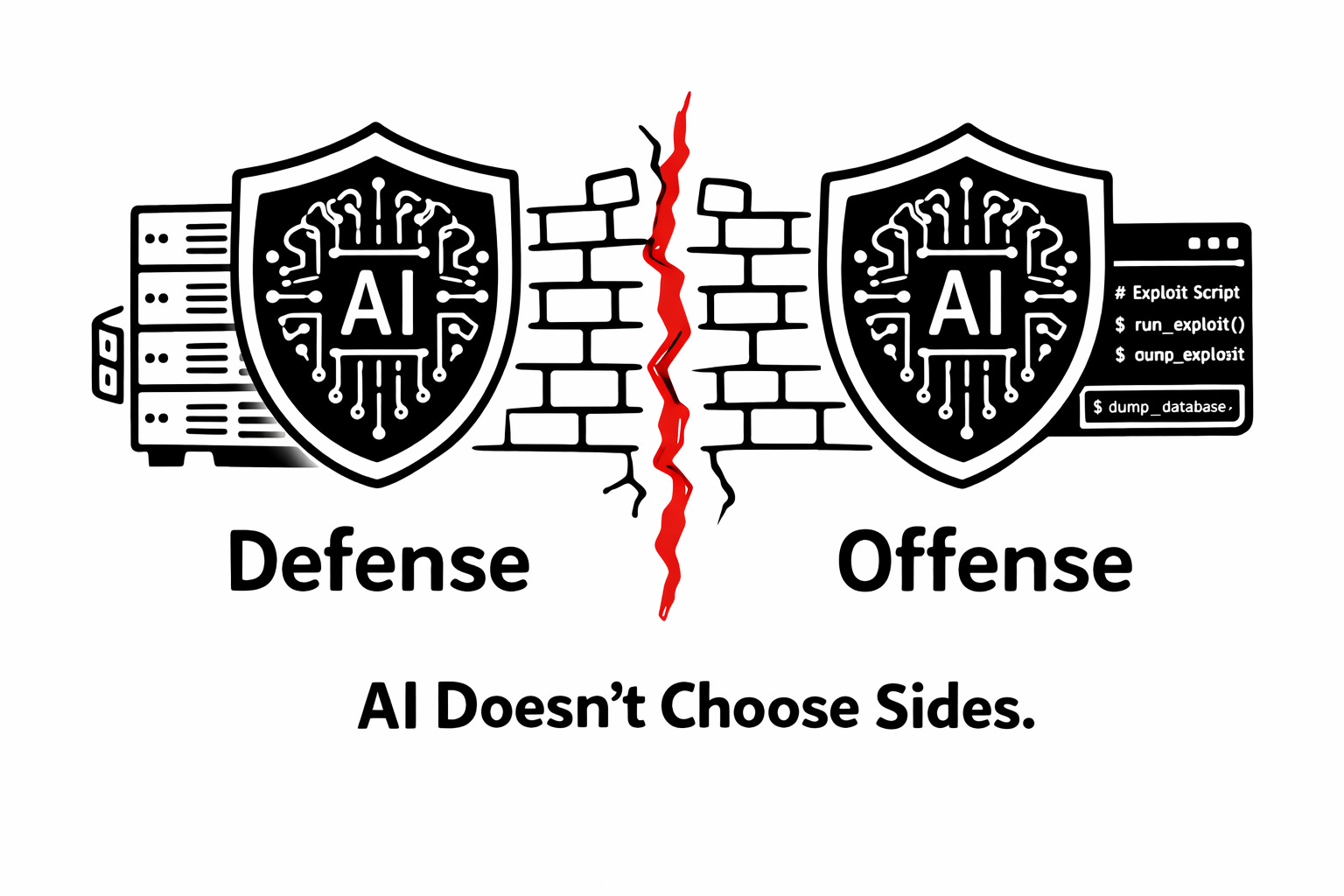
At Oak Security, we see this incident as an alarming trend. AI has made offensive hacking more accessible than ever, but AI systems still struggle to reliably detect and prevent malicious intent. They face a dilemma: limiting the tools’ offensive capabilities also reduces their defensive capabilities; that is what they advertise with.
Why this breach matters more than others
Even as AI evolves, the attack underscores persistent weaknesses in organisational security:
Poor operational security practices
Weak or missing authentication controls
Attackers using AI can scan, test, and exploit vulnerabilities much faster than before, so organisations must rethink cybersecurity as a proactive, adaptive discipline rather than a compliance exercise.
Our services to prevent AI-driven attacks
Operational security from scratch: Establish secure practices for all systems and workflows from day one. Book a training course.
Multiple-layered audits: Continuously harden products and infrastructure to detect vulnerabilities before attackers can exploit them. Request a quote.
The road ahead
AI will continue to reshape the threat landscape in the next 1-2 years. The Mexican government’s violations prove that no organization is immune. Security teams must recognise the dual nature of AI: it can empower both defence and offence. The time to prepare is now.
For a deeper dive into immediate actions enterprises and government bodies should take to protect sensitive data, see our follow-up article.
Get a quote for your project, schedule a call with our team, follow us on X, and sign up for our newsletter for simplified and curated Web3 security insights.